



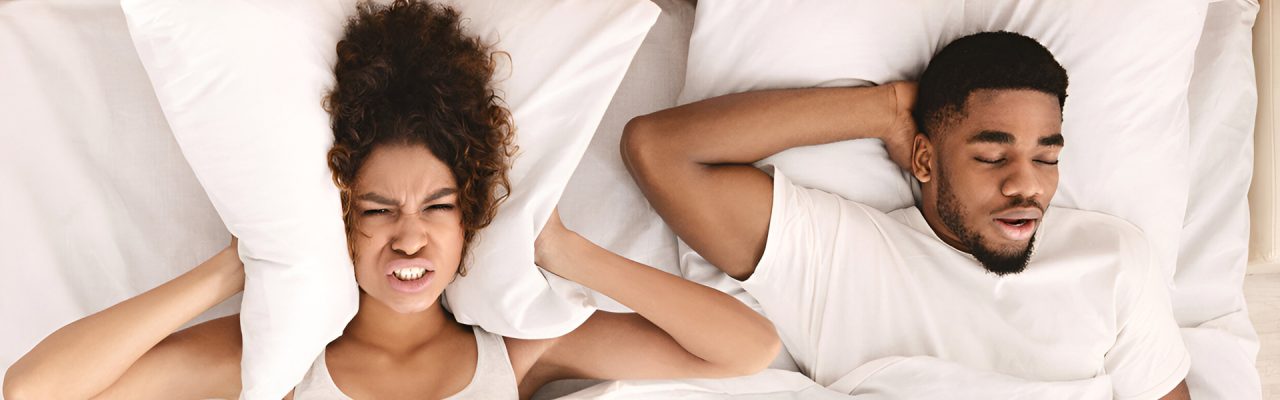
Snoring is common, but it is not “normal” sleep. That rumble means airflow is hitting a narrowed airway. Soft tissue vibrates. Sleep grows shallow. Mornings feel heavy. Partners lose rest, too. The good news: help exists, and treatment is not one-size-fits-all. If you want options and clear guidance, start with a focused evaluation for snoring treatment in Auburn MA. A simple exam, a home sleep test, or a referral for a lab study can show what is going on and how to fix it.
Why Do People Snore?
Snoring often starts where the tongue, soft palate, and throat meet. During sleep, muscles relax and the airway narrows. Air squeezes through and makes tissue vibrate. Anatomy plays a role. A long soft palate, large tonsils, or a small lower jaw can add risk. Nasal stuffiness from allergies or a deviated septum can force mouth breathing. Weight gain increases neck tissue and tightens the airway. Alcohol near bedtime deepens muscle relaxation and makes snoring louder. Sleeping on your back can worsen it, since the tongue falls toward the throat. Many factors stack. A careful history and exam help isolate the main drivers for each person.
How Snoring Disrupts Your Sleep Quality
Snoring is more than a sound. It fragments sleep. Vibrations and partial airway collapse can trigger brief arousals. You may not remember them, but your brain does. Deep slow-wave sleep and REM get clipped. That robs you of the stages that restore memory, mood, and reaction time. Oxygen levels can dip, even without full apnea events. The heart and nervous system answer with stress signals. You wake up unrefreshed, reach for more caffeine, and hit a slump in the afternoon. Bed partners often sleep less, change rooms, or push you to “roll over,” which keeps both people from cycling through deep stages.
Is Snoring a Sign of Sleep Apnea?
Sometimes. Benign snoring is sound without repeated airway collapse. Obstructive sleep apnea (OSA) includes full or partial blockages that lower oxygen and jolt the brain awake. Clues that snoring may be OSA include witnessed pauses, gasping, morning headaches, dry mouth, sore throat, and severe daytime fatigue. High blood pressure, Type 2 diabetes, and GERD can accompany OSA. A sleep study is the only way to confirm it. Home tests can screen many patients. Lab studies add detail when needed. If apnea is present, the plan may include oral appliance therapy, CPAP, weight loss, nasal care, or a mix.
How Snoring Affects Your Health Over Time
Night after night, snoring strains the body. Even mild oxygen dips and sleep loss can raise blood pressure and heart rate. Inflammation increases. Mood and focus slip. Driving risk rises due to microsleeps. Partners report relationship stress and separate bedrooms. For children, snoring can affect growth and attention. In adults, long-term poor sleep is tied to weight gain and insulin resistance. Teeth grinding can flare as the jaw searches for an airway. The jaw joints and facial muscles feel sore in the morning. Addressing snoring protects the heart, brain, and mouth, not just the peace of your bedroom.
Can a Dentist Help Treat Snoring?
Yes. Dentists trained in sleep medicine design and fit custom oral appliances that hold the lower jaw slightly forward to open the airway. These mandibular advancement devices are small, quiet, and portable. Many patients find them easier to use than a mask. A titration plan adjusts the jaw position to balance comfort and effect. Ask about sleep dentistry services that include records, appliance choices, and outcome testing. Follow-up checks track symptom relief and jaw health. Your provider may pair care with nasal therapy, side-sleep strategies, or weight goals. If you have searched for snoring treatment near me, know that a dental sleep exam can be your first step, even if a physician later co-manages care. For patients who prefer local care, a dentist in Auburn MA, can coordinate with your primary care office or a board-certified sleep physician to confirm results and maintain long-term success.
Benefits and Limits
Oral appliances can lower snoring volume and reduce apnea events in many mild to moderate cases. They travel well and suit back sleepers. Side effects can include jaw soreness or bite shifts, which careful design and follow-up help manage. Severe OSA may still need CPAP or a combined plan. No tool fits every airway, so treatment should be guided by data and regular review.
Improve Your Rest: Book a Sleep Consultation Today
If snoring is stealing your rest, take action. Start with a conversation about your sleep, medical history, and goals. Bring your partner’s observations. From there, we can screen for risk, consider a home test, and map a plan that fits your life. A quiet night helps every part of your health feel stronger. To explore custom oral appliance therapy and coordinated care, schedule a visit with Worcester Sleep Dentistry.