



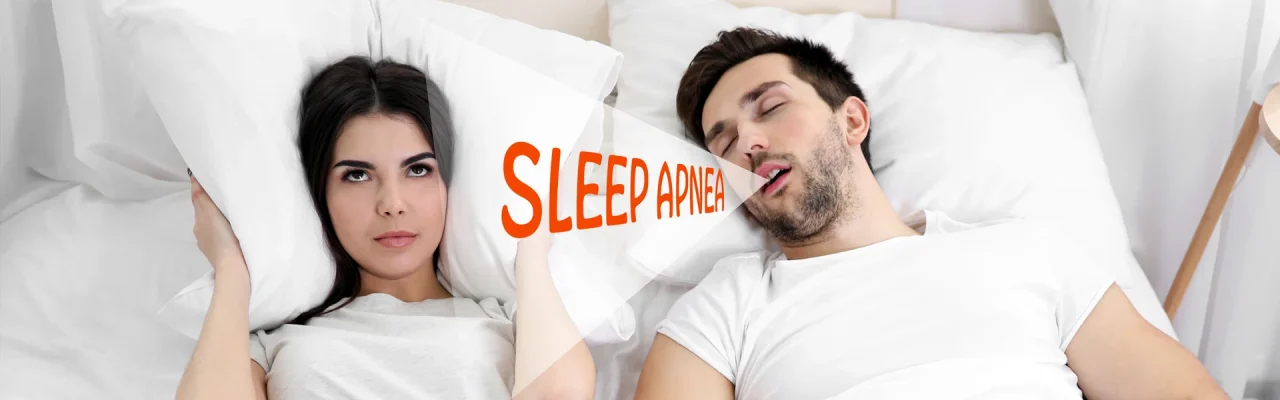
Snoring once in a while is common, especially if you have a cold or are unusually tired. However, loud or frequent snoring should not be ignored. It can disturb your sleep, affect your partner, and leave you feeling tired during the day. If you’ve been asking yourself, Why am I snoring so much, the answer may lie in several possible causes of snoring, ranging from sleeping habits to airway-related conditions. In some cases, persistent snoring may be linked to obstructive sleep apnea. If you’re looking for snoring treatment in Auburn, MA, understanding the cause is the first step toward finding a solution that helps you sleep better.
What Causes Snoring?
Snoring develops when the airway is partially blocked during sleep, allowing the soft tissues of the throat to vibrate as air passes through. Multiple factors may play a role.
Relaxed Throat Muscles
As you sleep, the muscles in your throat naturally relax. If they narrow the airway too much, airflow becomes restricted, leading to snoring.
Sleeping Position
Back sleeping can cause the tongue and throat tissues to relax into the airway, reducing airflow and contributing to snoring. Adjusting your sleep position may lessen these symptoms.
Excess Weight
Extra tissue around the neck can place pressure on the airway during sleep. This is a common cause of snoring and may contribute to chronic snoring.
Nasal Congestion
A blocked nose caused by allergies, a cold, or sinus problems can make it harder to breathe through your nose. Mouth breathing may increase sleep breathing problems and worsen snoring.
Alcohol and Sedatives
Alcohol and certain medications relax the muscles that support the airway. Using them before bedtime may increase snoring in some people.
When Is Snoring More Than Just a Nuisance?
Occasional snoring is usually harmless, but frequent or loud snoring should be evaluated, especially if it affects your daily life.
You should speak with a healthcare professional if you:
- Snore most nights loudly
- Stop breathing or gasp during sleep
- Wake with morning headaches
- Feel unusually tired during the day
- Have trouble concentrating
- Wake up feeling unrefreshed
These symptoms may be associated with sleep apnea and snoring. A proper evaluation, which may include a sleep study, helps identify the cause and determine the most appropriate treatment. Early care can improve sleep quality, reduce excessive daytime fatigue, and support your overall health.
How Snoring Can Affect Your Health
Snoring does more than disturb your partner’s sleep. Poor sleep can affect your energy, mood, memory, and concentration throughout the day.
When ongoing sleep-breathing problems cause snoring, they may also increase the risk of other health concerns if left untreated. Seeking better sleep treatment is not just about reducing noise. It’s about improving sleep quality and protecting your long-term health.
Treatment Options for Snoring
After a thorough evaluation, your provider may recommend lifestyle changes, oral appliance therapy, or CPAP therapy if sleep apnea is diagnosed.
Lifestyle Changes
Simple habits may help reduce snoring, especially when symptoms are mild.
- Maintain a healthy weight.
- Sleep on your side instead of your back.
- Avoid alcohol for several hours before bedtime.
- Manage allergies or nasal congestion.
- Follow a consistent sleep schedule.
These changes may reduce airway obstruction and improve your sleep over time.
Oral Appliance Therapy
An oral appliance for snoring is a custom-made device worn while you sleep. It gently positions the lower jaw to help keep the airway open and improve airflow.
Many patients choose oral appliance therapy in Auburn, MA, because the appliance is comfortable, quiet, easy to clean, and convenient for travel. Unlike over-the-counter products, a custom appliance is designed to fit your mouth and should be provided after a professional evaluation.
CPAP Therapy
People diagnosed with moderate to severe obstructive sleep apnea are often treated with continuous positive airway pressure (CPAP). CPAP works by supplying a consistent stream of air through a mask, helping to keep the airway clear and reduce breathing interruptions during sleep.
If CPAP is not well tolerated, a custom oral appliance may be a suitable alternative for some people with mild to moderate obstructive sleep apnea. Your treatment plan should always be based on your diagnosis and your provider’s recommendations.
Why Many Patients Choose Dental Oral Appliances
Modern dental snoring treatment offers a comfortable, non-surgical option for many people with snoring or mild-to-moderate obstructive sleep apnea.
Benefits include:
- Custom fit for comfort
- Small and portable
- Quiet to wear
- Easy to clean
- Non-invasive
A custom snoring mouthguard can help reduce snoring by supporting a more open airway during sleep. Many patients seeking to stop snoring in Auburn, MA, appreciate that treatment fits easily into their daily routine.
Who Is a Good Candidate for Snoring Treatment?
You may benefit from treatment if you:
- Snore frequently
- Have mild to moderate obstructive sleep apnea
- Have difficulty using CPAP
- Want a comfortable, non-surgical treatment option
A consultation with a dentist for snoring treatment includes a review of your symptoms, medical history, and oral health. In some cases, a sleep study may be recommended before starting oral appliance therapy in Auburn, MA, to ensure the treatment is appropriate for your needs.
Tips to Reduce Snoring Naturally
Healthy habits may help reduce mild snoring and support better sleep.
- Sleep on your side.
- Maintain a healthy weight.
- Avoid alcohol before bedtime.
- Keep your nasal passages clear.
- Follow a consistent sleep schedule.
These simple snoring solutions can make a difference, but persistent snoring should be evaluated to identify the underlying cause and determine whether additional care is needed.
Final Thoughts
Frequent snoring is more than an inconvenience when it affects your sleep, your energy levels, or your overall health. While healthy lifestyle changes may reduce mild snoring, persistent symptoms deserve a professional evaluation to identify the underlying cause. Custom oral appliances can help reduce snoring and improve sleep for many patients with mild to moderate obstructive sleep apnea.
At Worcester Sleep Dentistry, we provide personalized care to help patients sleep more comfortably and breathe more easily. If you are looking for snoring treatment and want to stop snoring in Auburn, MA, or would like to learn whether oral appliance therapy is right for you, schedule a consultation with our team.